How Disc Golf Courses Are Different From Golf Courses
An Introduction To Golf Courses
Golf is a sport that has been around for centuries and dates back to the Roman Empire. It is a game that was originally played on the streets of London and eventually made its way to America. The first golf course in America was built in 1784, and since then, the game has grown in popularity. The most beautiful Golf Courses are now found all over the world, and each one is unique.
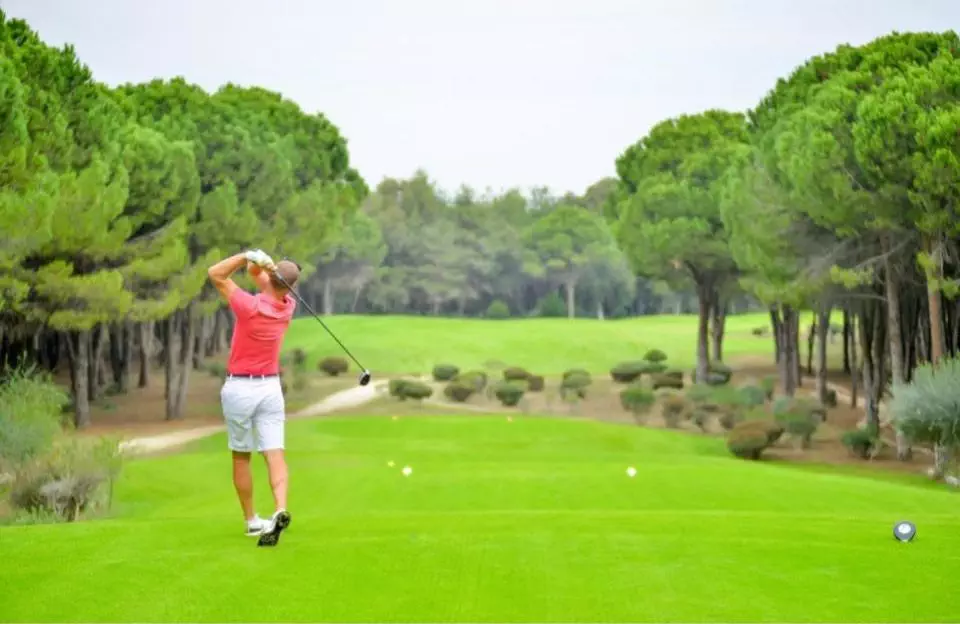
Golf courses are typically large, open areas of land with manicured fairways and greens. They are usually located in scenic locations and often feature a clubhouse where players can relax after a round of golf.
9 Reasons Why Traditional Ball Golf Courses Are Better
Disc golf courses are a great option for those looking for a cheaper, more accessible way to play the game. However, there are still some advantages that regular golf courses have over their disc counterparts. Here are ten reasons why:
- Regular golf courses tend to be much longer than disc golf courses, providing a greater challenge for players. This can make the game more fun and rewarding for those who are looking for a challenge.
- The beautiful golf courses tend to be more open, which can provide a more relaxed atmosphere. This can be beneficial for those who are looking to wind down and enjoy the scenery.
- Finally, many regular golf courses offer a variety of amenities, such as clubhouse access, pro shops, and restaurants. This can make the game more enjoyable for those who want to take a break after their round of golf. Overall, regular golf courses offer a more complete experience for those looking to enjoy the game.
- Golf courses are typically located in more scenic locations than disc golf courses. This is certainly true, as disc golf courses are often located in more rural areas, while regular golf courses are often found in more urban settings. This is likely because disc golf courses do not require the same amount of space that regular golf courses do, making them a better option for smaller parcels of land.
- Golf is considered to be a more “serious” sport than disc golf and is thus taken more seriously by many athletes.
- The equipment used in golf is usually of a higher quality than the discs used in disc golf.
- Golf courses are generally better maintained than disc golf courses. This is likely due to the fact that golf courses generate revenue from green fees, while most disc golf courses are free to play. As a result, golf courses have the resources to hire staff for course maintenance, while most disc golf courses do not.
- Golfers usually dress more formally than disc golfers, giving the sport a more upscale image. Many people view golf as a more “traditional” sport than disc golf, and thus it has a more positive reputation.
- Golfers have access to a wide variety of training aids and resources that can help them improve their game. Disc golfers often do not have such resources available to them.

9 Golf Tips:
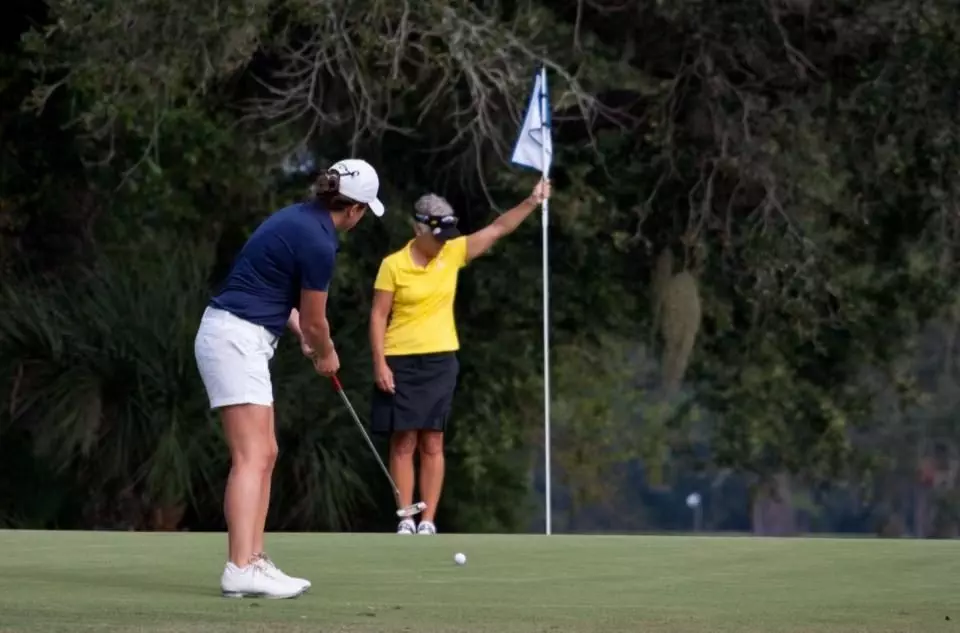
If you’re new to the sport of golf, or just looking to improve your game, here are ten tips from the pros that will help you up your game:
- Start by practicing your swings on an open field. This will help you get a feel for the golf club and how it flies.
- Once you’re comfortable with your swing, try playing on a course with some obstacles. This will help you learn how to navigate around trees and other objects.
- Golf is all about accuracy, so make sure you’re practiced in hitting your target. The more accurate you are, the better your score will be.
- If you’re finding yourself missing a lot of shots, try using a heavier golf club. This will help you get more distance on your swings.
- Don’t be afraid to experiment with different types of golf clubs. There are many different kinds available, and each has its own unique flight pattern.
- When you’re playing on a course, take note of the wind direction and how it affects your golf club’s flight. This will help you better predict where your golf ball will land.
- Try to avoid throwing your golf ball into water hazards. Not only is it difficult to retrieve your golf ball, but it also adds stroke penalties to your score.
- Keep an eye on other players’ swings and learn from their techniques. You can often pick up helpful tips just by watching others play.
- Most importantly, have fun! Golf is a great sport for all ages and skill levels, so don’t be afraid to give it a try. Who knows, you might just fall in love with it.
An Introduction To Disc Golf Courses
Disc golf courses are designed specifically for the game of disc golf, while traditional golf courses are designed for the game of ball golf. Because of this, there are a few key differences between the two types of courses. For one, disc golf courses tend to be much shorter than ball golf courses. This is because discs cannot be thrown as balls can be hit, so there is less need for long holes.
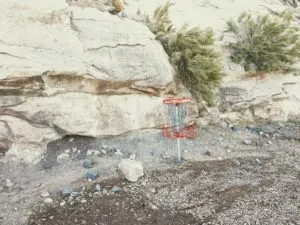
Additionally, disc golf courses often make use of natural terrain features like trees and bushes, whereas ball golf courses are typically more open. Finally, most disc golf courses are free to play, while many ball golf courses require a fee to access. Overall, these differences make disc golf a more accessible and affordable sport for many people.
What Is Disc Golf, And Where Did It Originate?
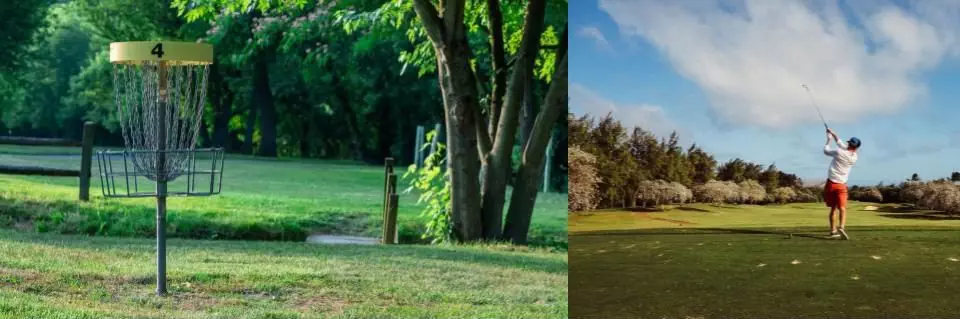
Disc golf is a sport that was invented in the 1970s. It is played with discs, which are similar to Frisbees, and the goal is to throw the disc into a basket or target. The sport has grown in popularity in recent years, and there are now thousands of courses all over the world.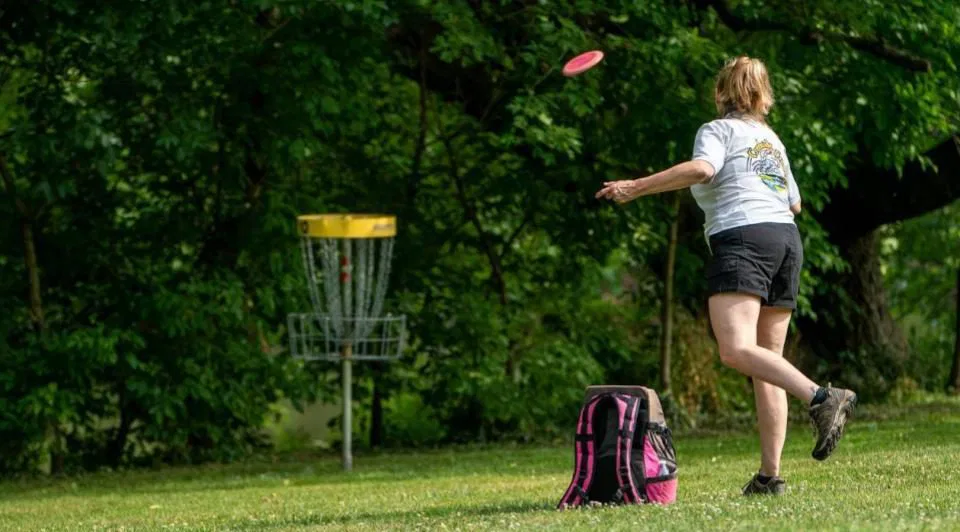
9 Reasons Why Disc Golf Courses Are Better
While regular golf courses have their advantages, there are also a few reasons why disc golf courses are better than their traditional counterparts. Here are ten reasons why:
- Disc golf courses are typically shorter than regular golf courses, making them more suitable for beginners or those with limited time.
- Disc golf courses often make use of natural terrain features like trees and bushes, which can add to the challenge of the game.
- Disc golf courses are generally less expensive to play than regular golf courses. This is because most disc golf courses are free to play, while many regular golf courses require a fee to access. This makes disc golf a more affordable sport for many people.
- Disc golf is considered to be a more “relaxed” sport than regular golf, and thus it is less intimidating for many people.
- The equipment used in disc golf is usually less expensive than the equipment used in regular golf. This makes the sport more accessible to those on a budget.
- Disc golf courses are often located in more scenic locations than regular golf courses. This is because they do not require the same amount of space as regular golf courses, making them a better option for smaller parcels of land.
- Disc golfers usually dress more informally than regular golfers, giving the sport a more relaxed image.
- Many people view disc golf as a more “modern” sport than regular golf, and thus it has a more positive reputation.
- Disc golfers have access to a wide variety of training aids and resources that can help them improve their game. Regular golfers often do not have such resources available to them.

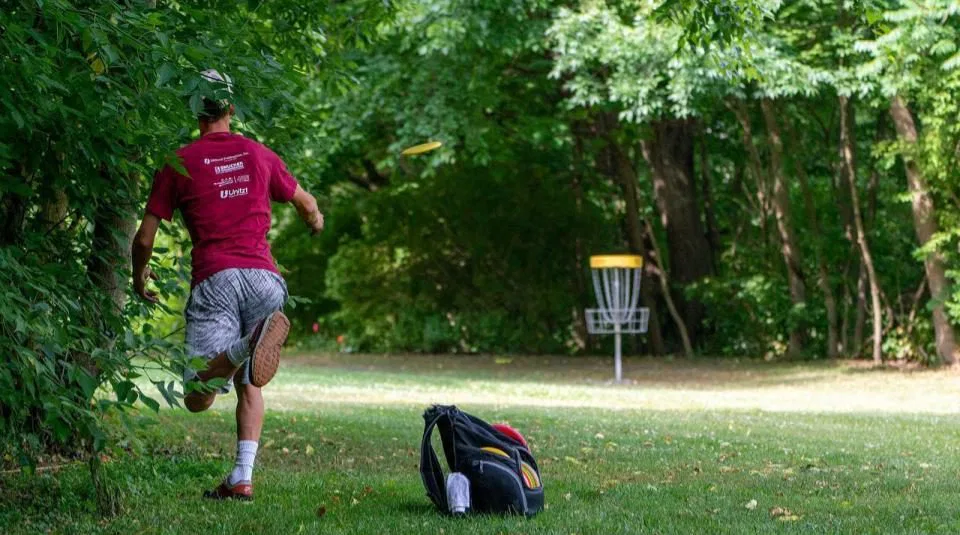
9 Disc Golf Tips:
If you’re new to the sport of disc golf, or just looking to improve your game, here are ten tips from the pros that will help you up your game:
- Start by practicing your throws on an open field. This will help you get a feel for the disc and how it flies.
- Once you’re comfortable with your throw, try playing on a course with some obstacles. This will help you learn how to navigate around trees and other objects.
- Disc golf is all about accuracy, so make sure you’re practiced in hitting your target. The more accurate you are, the better your score will be.
- If you’re finding yourself missing a lot of shots, try using a heavier disc. This will help you get more distance on your throws.
- Don’t be afraid to experiment with different types of discs. There are many different kinds available, and each has its own unique flight pattern.
- When you’re playing on a course, take note of the wind direction and how it affects your disc’s flight. This will help you better predict where your disc will land.
- Try to avoid throwing your disc into water hazards. Not only is it difficult to retrieve your disc, but it also adds stroke penalties to your score.
- Keep an eye on other players’ throws and learn from their techniques. You can often pick up helpful tips just by watching others play.
- Most importantly, have fun! Disc golf is a great sport for all ages and skill levels, so don’t be afraid to give it a try. Who knows, you might just fall in love with it.
Conclusion:
Golf courses and disc golf courses are similar in objective, but there are actually many differences between the two. For starters, golf courses are typically much larger than disc golf courses. They also have different types of terrain, with golf courses often featuring rolling hills and manicured greens, while disc golf courses tend to be more naturalistic. Additionally, while both sports require accuracy, golf is all about hitting a small ball into a tiny hole from long distances, while in disc golf the goal is to land your disc in a large basket. Finally, while golf can be an expensive sport to get into, disc gold is relatively cheap and easy to learn.
If you’re looking for a fun and challenging game that won’t break the bank, disc golf is the way to go! You’ll find all the tips and suggestions you need right here at Cypress Point Disc Golf.